A place to pause.
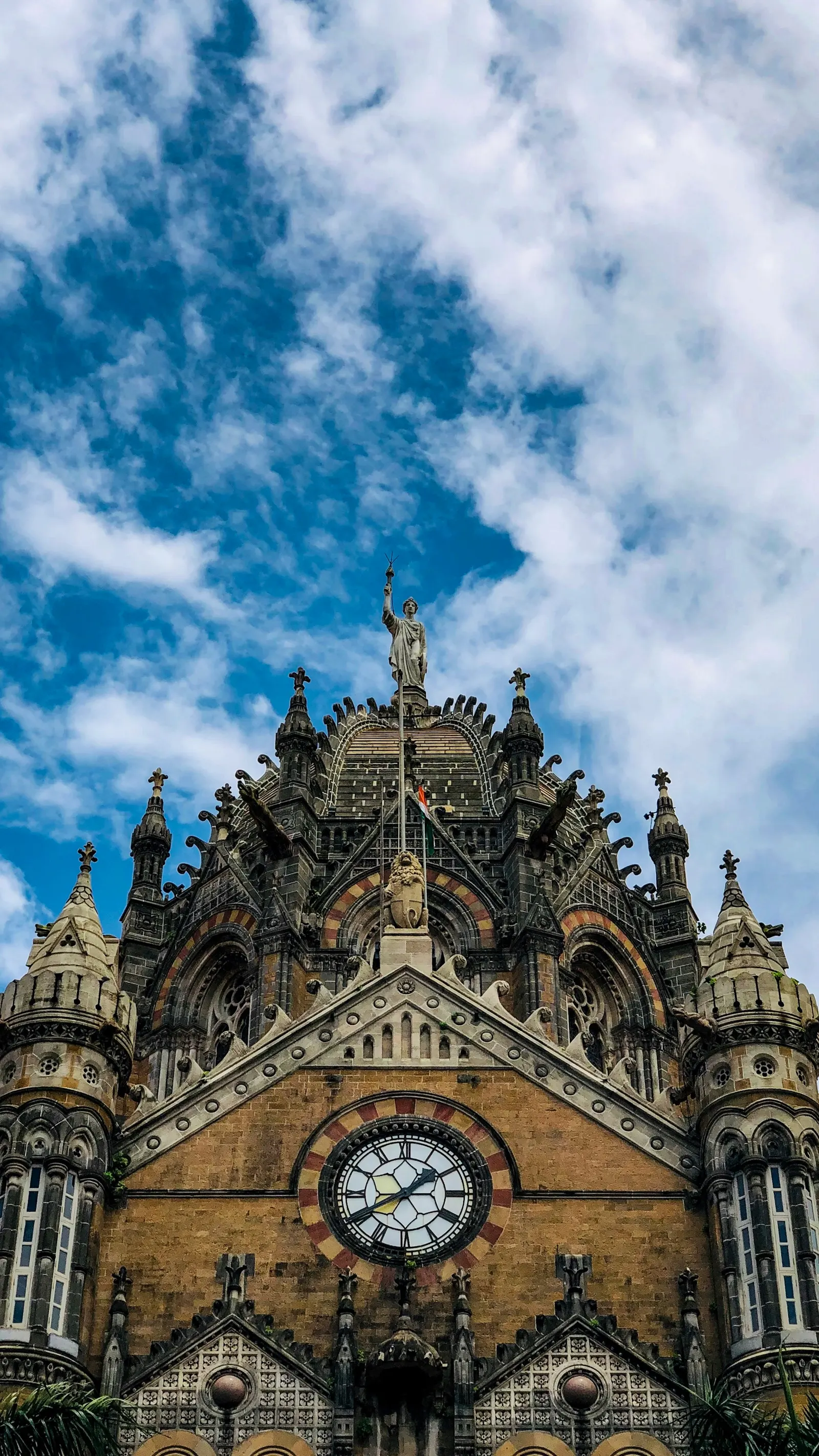
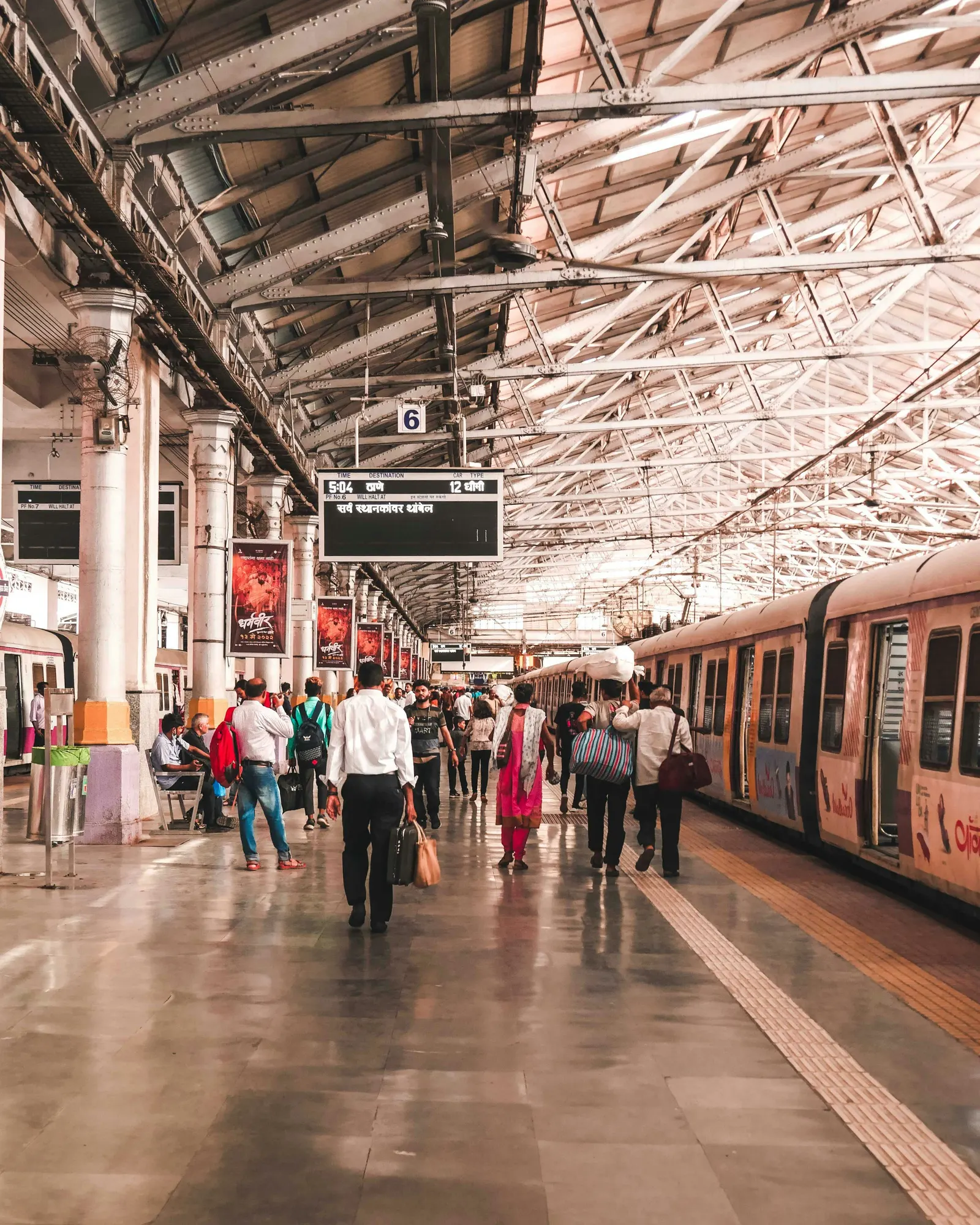
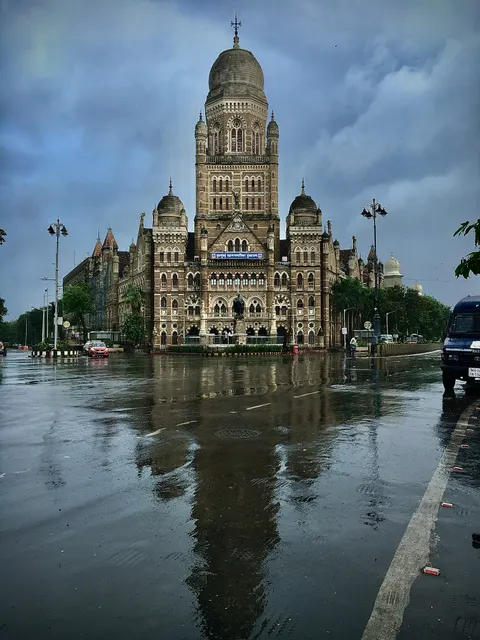
Give the building a few uninterrupted minutes. The roofline, dome and carved stone reward a slower look than a photograph through a car window. Then notice the commuters: this landmark is still part of the daily machinery of Mumbai.
Behind the place.
History · From Victoria Terminus to CSMT
The station grew with Bombay’s railway and trading networks.
Read moreRead less
Designed by F. W. Stevens, the station was built over ten years starting in 1878. Its development reflects Bombay’s growth as a commercial port and railway city.
Continue reading at UNESCO World Heritage Centre ↗Significance · Heritage that still works
A World Heritage landmark is also part of everyday railway life.
Read moreRead less
UNESCO recognises the station for its architectural importance and its exchange of influences. It is also an active railway terminus, making conservation and everyday movement part of the same place.
Continue reading at UNESCO World Heritage Centre ↗Architecture · Gothic meets Indian craft
Victorian Gothic design meets Indian architectural traditions.
Read moreRead less
The design combines Victorian Gothic Revival with Indian architectural traditions. Look for the stone dome, pointed arches and elaborate decoration rather than treating the building as purely European.
Continue reading at UNESCO World Heritage Centre ↗The useful details.
Use marked crossings and keep entrances clear. A station visit is not permission to enter restricted railway areas; follow posted access and photography rules.
 Colaba · Harbour & heritage
 South Mumbai · Waterfront
 CSMT precinct · Civic heritage