

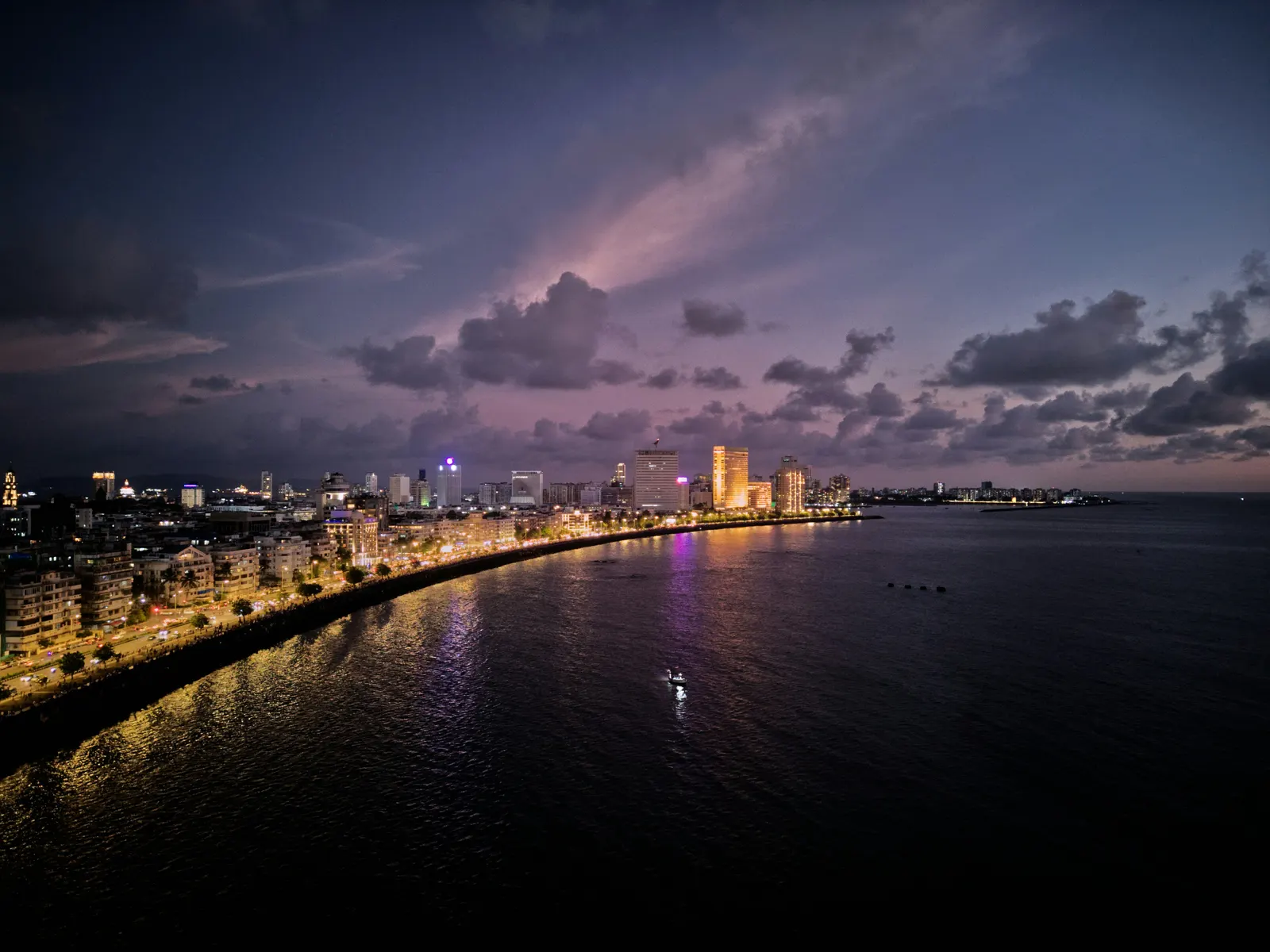
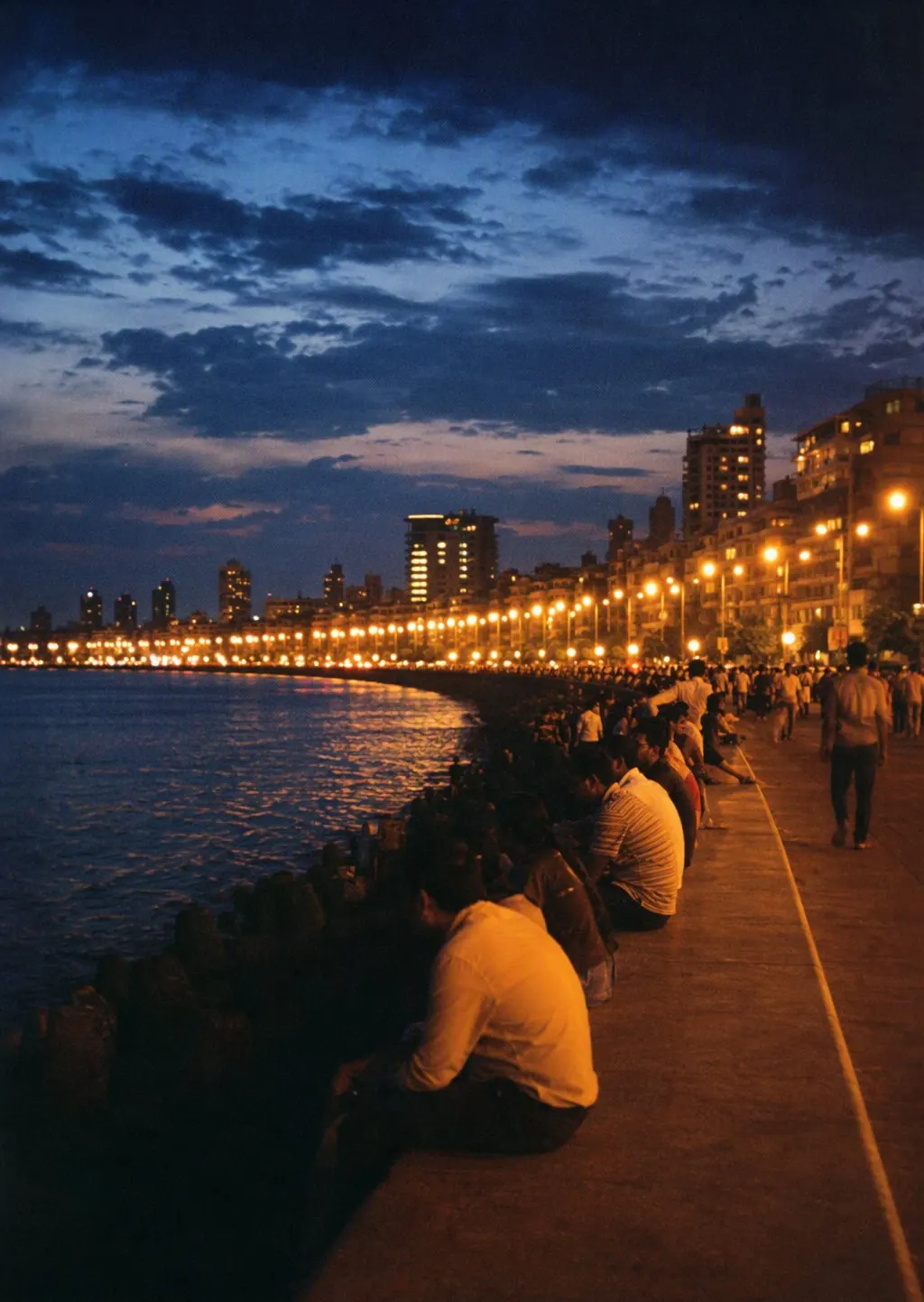
Let the sea set the pace.
Marine Drive works best without a long checklist. Follow a manageable stretch of the promenade, watch the sky over the bay, and leave time simply to sit. The city’s buildings become a backdrop rather than a set of stops.
Behind the curve.
History · How the seafront took shape
The seafront grew out of Bombay’s westward expansion.
Read moreRead less
The Backbay Reclamation Scheme created space for Bombay to expand westward in the early twentieth century. Marine Drive and its Art Deco buildings formed part of that expansion.
Continue reading at UNESCO World Heritage Centre ↗Significance · A modern face of Mumbai
Marine Drive is part of a much larger story of urban change.
Read moreRead less
The Marine Drive seafront belongs to the wider story of Mumbai’s Victorian Gothic and Art Deco ensembles: two different phases of a city reshaping itself through architecture.
Continue reading at UNESCO World Heritage Centre ↗Architecture · Notice the buildings too
Turn inland for a different view: the city’s Art Deco buildings.
Read moreRead less
Look inland as well as out to sea. The Art Deco residential buildings offer a different architectural rhythm from the Gothic public buildings around the Oval Maidan.
Continue reading at UNESCO World Heritage Centre ↗On the promenade.
Choose a short stretch rather than feeling obliged to walk the entire seafront. Stay on the promenade and away from the rocks and rough water; follow local closures during bad weather.
A pause nearby
Chai sellers work the promenade, and Girgaon Chowpatty at the northern end of the curve is the classic place for a plate of bhel. Settle the price before you order.
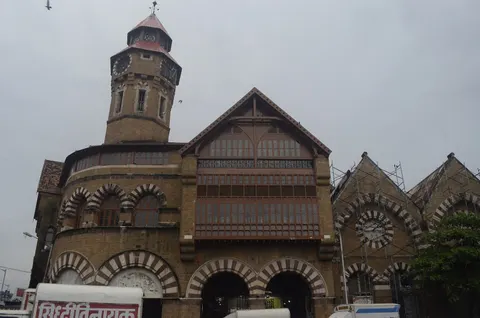 Fort · Victorian market hall
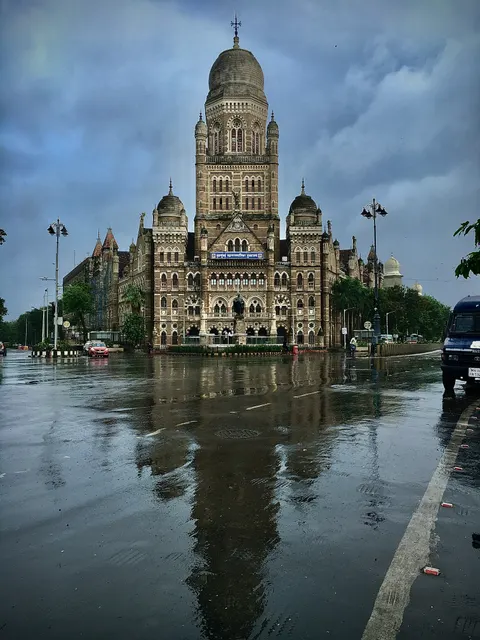 CSMT precinct · Civic heritage
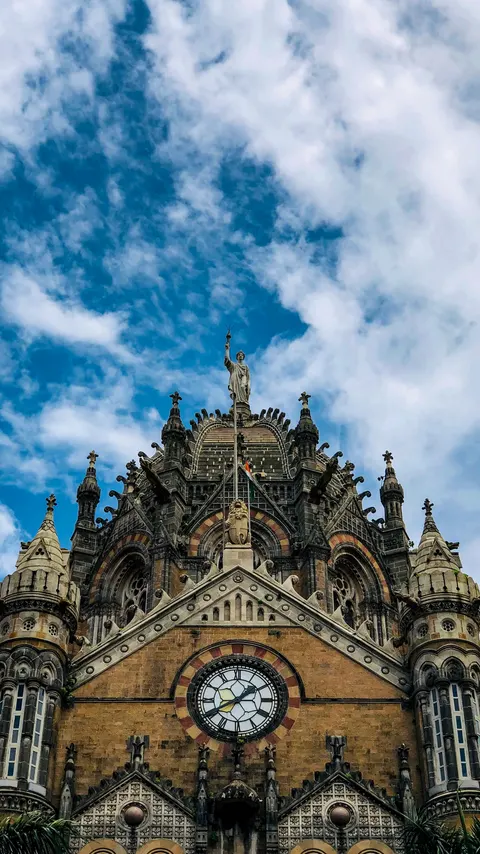 Fort · Railway heritage