

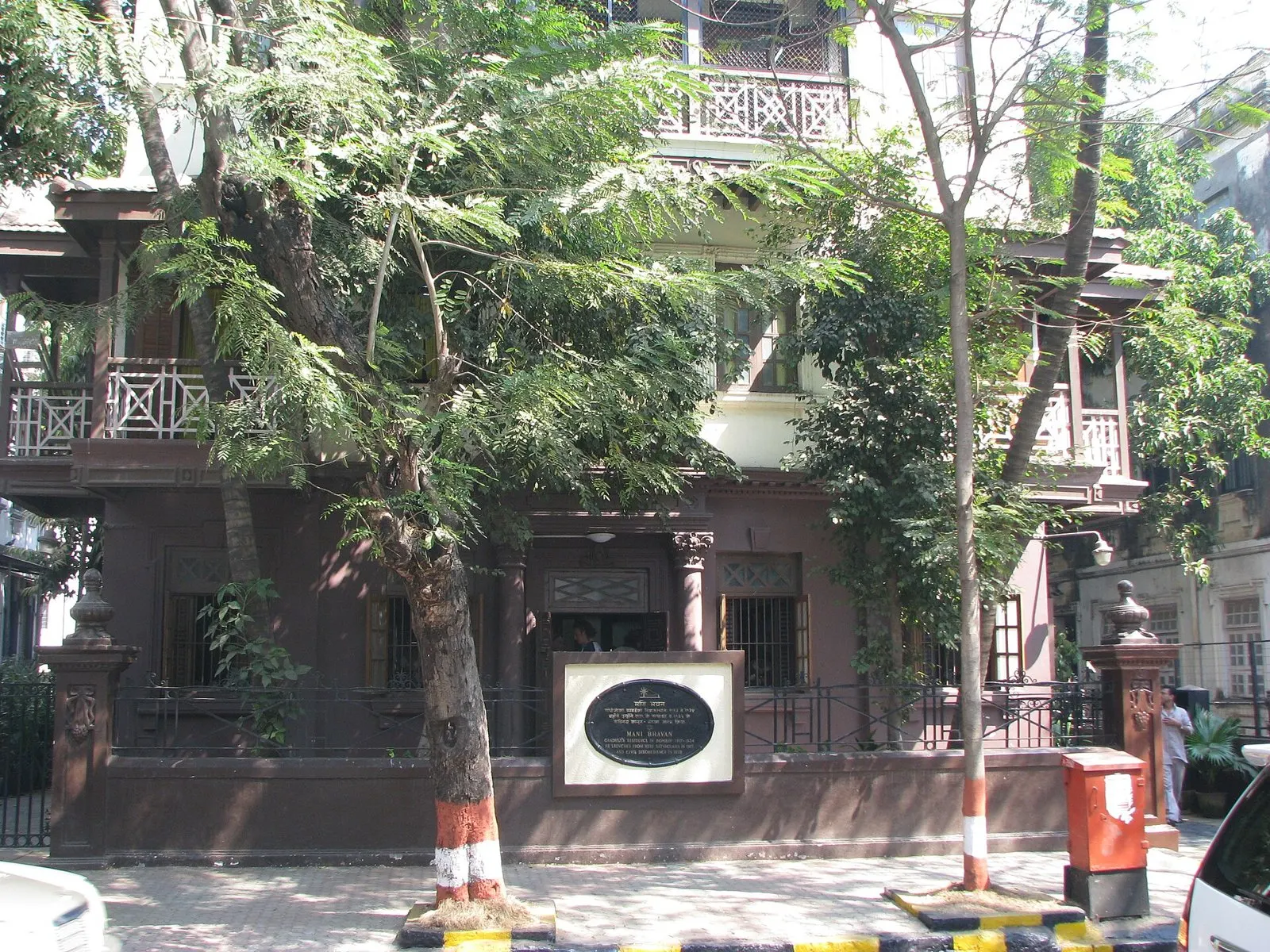
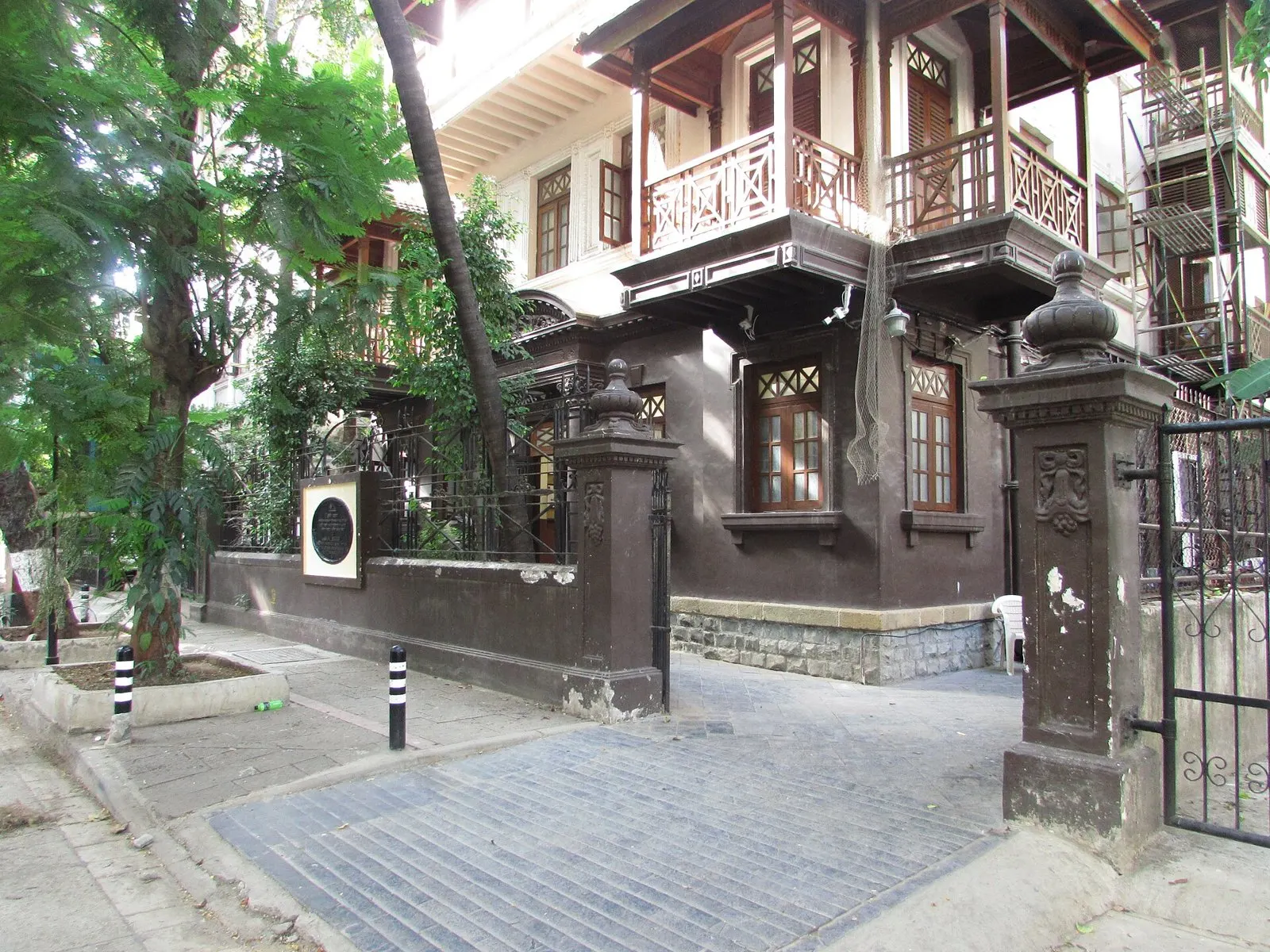
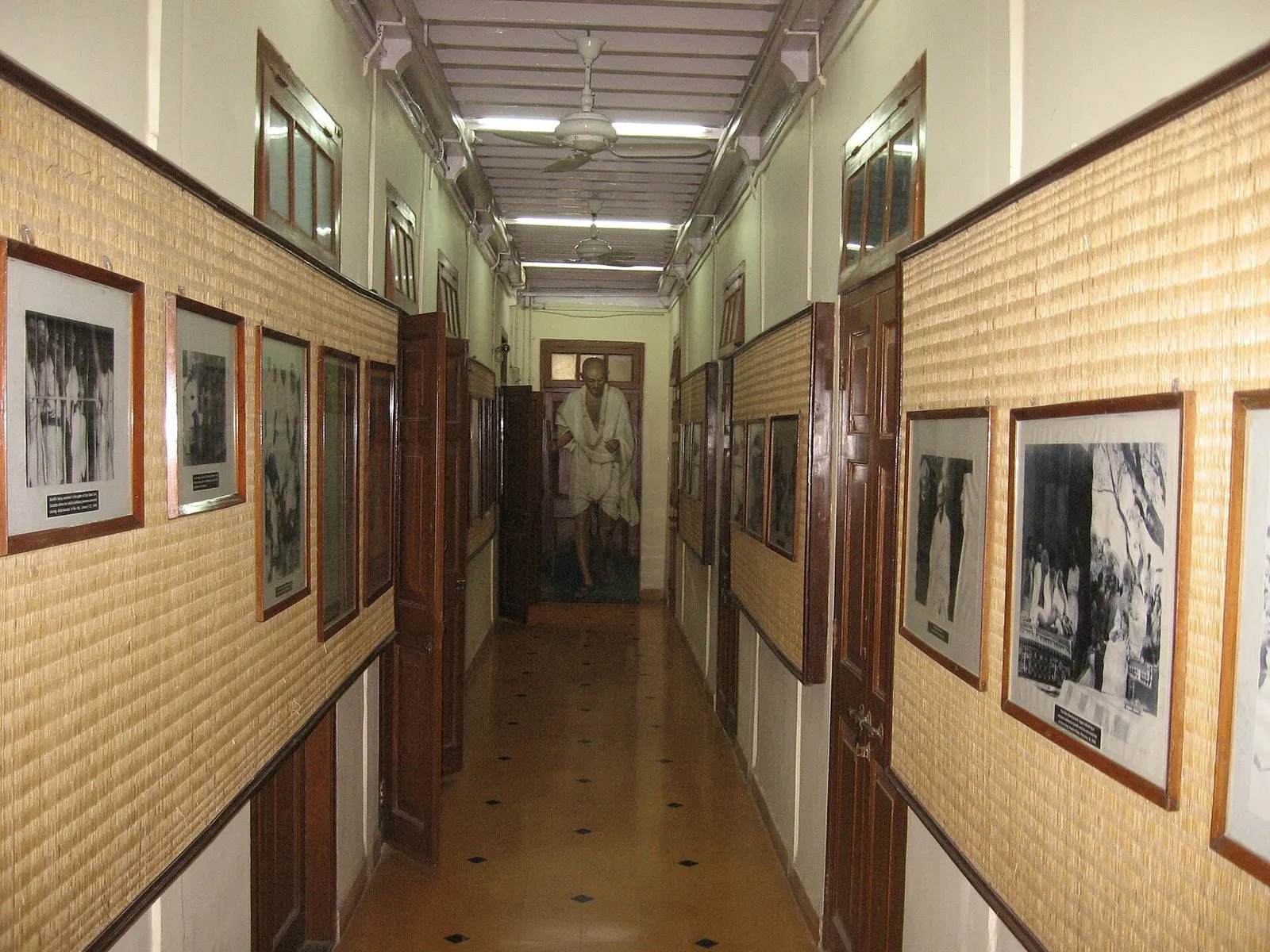
A quiet house on Laburnum Road.
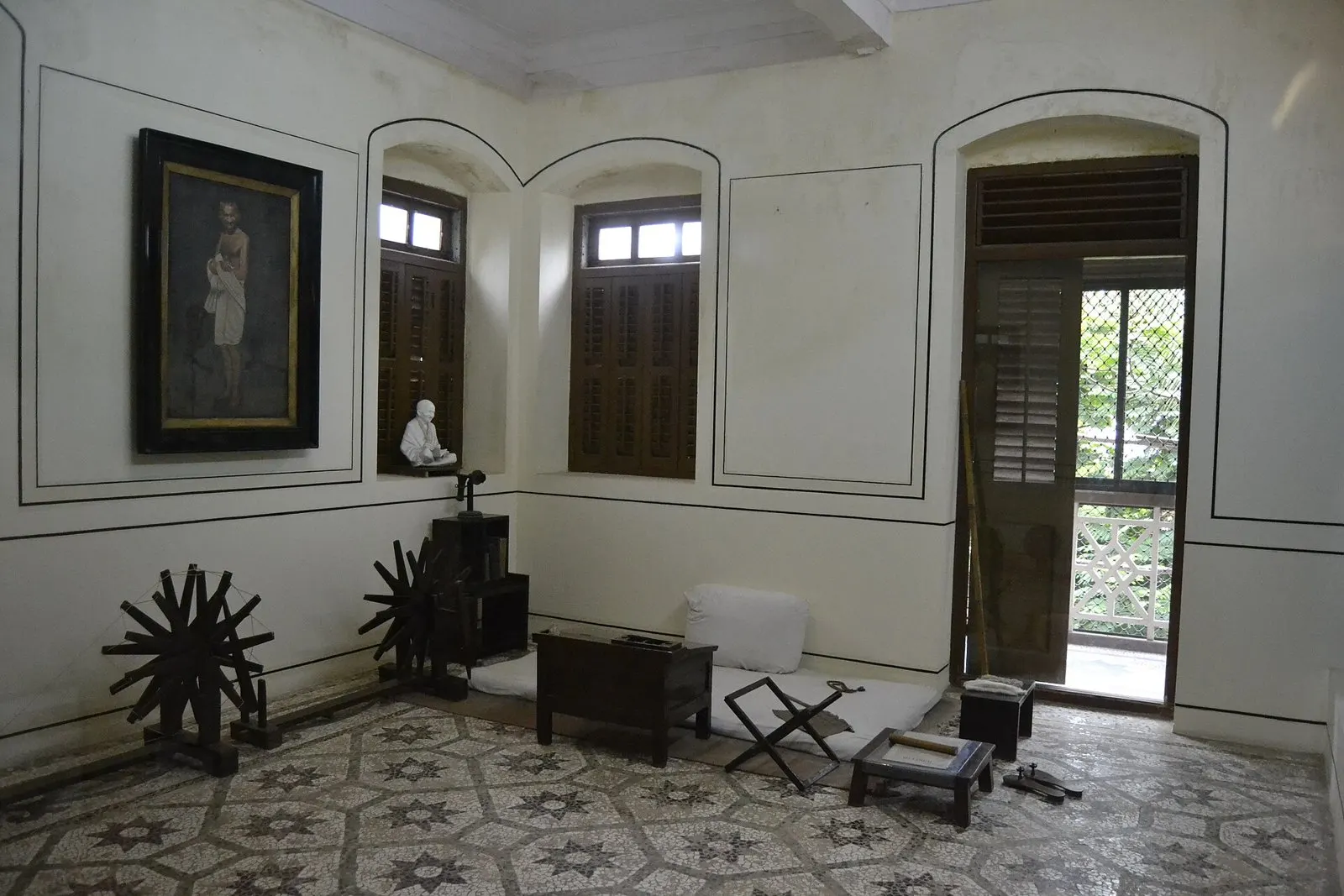
Mani Bhavan is small, and that is its strength. Gandhi used this two-storey house on Laburnum Road as his Bombay base from 1917 to 1934, and the rooms still feel lived in rather than staged. Climb slowly, look at the photographs, stand at the doorway of his room, then step out onto the terrace. It asks for an hour of quiet attention, not a checklist.
Behind the charkha.
History · Seventeen years in Bombay
A friend’s house became Gandhi’s base in the city.
Read moreRead less
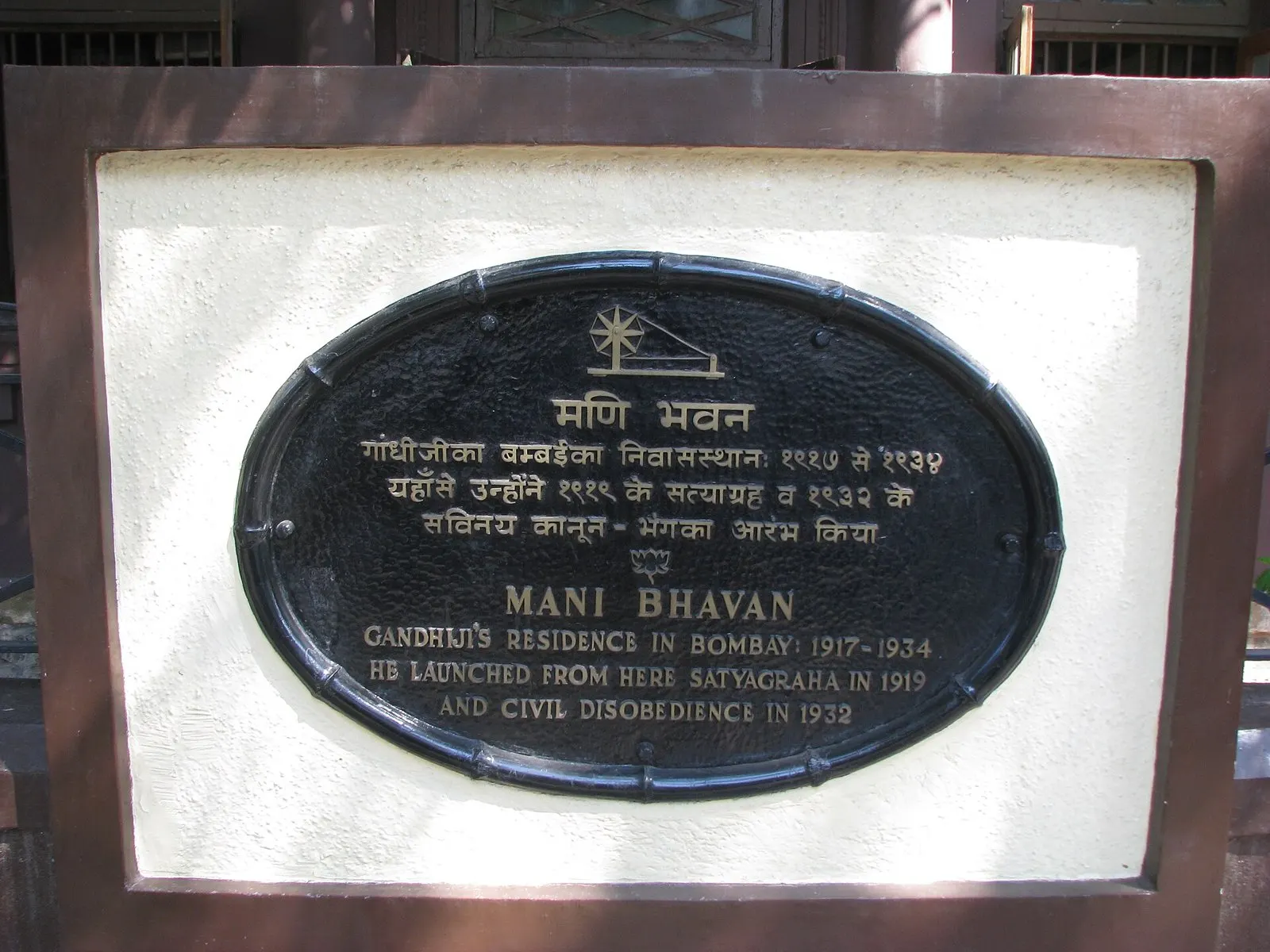
The house belonged to Revashankar Jagjeevan Jhaveri, and from 1917 to 1934 it was the centre of Gandhi’s activities in Bombay. It was here, recuperating in late 1918, that he took his first lessons in carding and spinning.
Continue reading at Mani Bhavan Gandhi Sangrahalaya ↗Significance · Where movements began
Protest campaigns were launched from these rooms.
Read moreRead less
Satyagraha against the Rowlatt Act was launched from Mani Bhavan in March 1919, and his weekly bulletin ‘Satyagrahi’ began here that April. On 4 January 1932 he was arrested from his tent on the terrace.
Continue reading at Mani Bhavan Gandhi Sangrahalaya ↗Visiting · A museum and a library
Each floor tells a different part of the story.
Read moreRead less
The ground floor holds a library of about 40,000 books, with a photo gallery above. On the second floor, the room where Gandhi lived and worked is preserved, beside an exhibition of his life in miniature figures.
Continue reading at Incredible India ↗Softly, room by room.
This is a memorial and a working library, so keep your voice low and follow any photography guidance posted inside. The stairs are narrow and rooms are small, so let groups pass. Check current opening hours before you go, as they can change around holidays.
A pause nearby
Girgaon Chowpatty is a short ride downhill, where you can sit by the sea for a while. Keep it to one gentle stop if your return plan is tight.
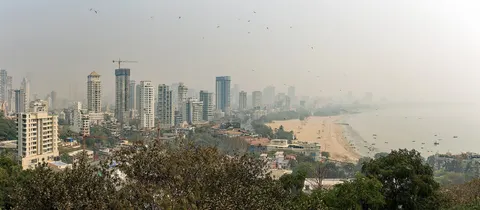 Girgaon · Sand & street food
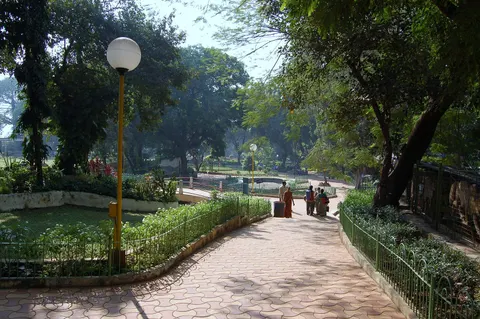 Malabar Hill · Terraced garden
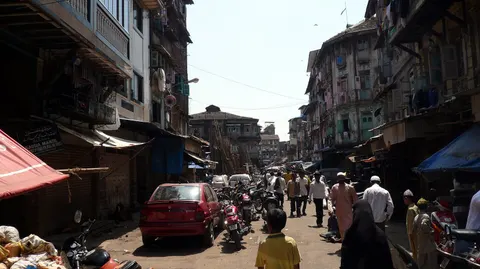 Mutton Street · Antiques & second-hand