

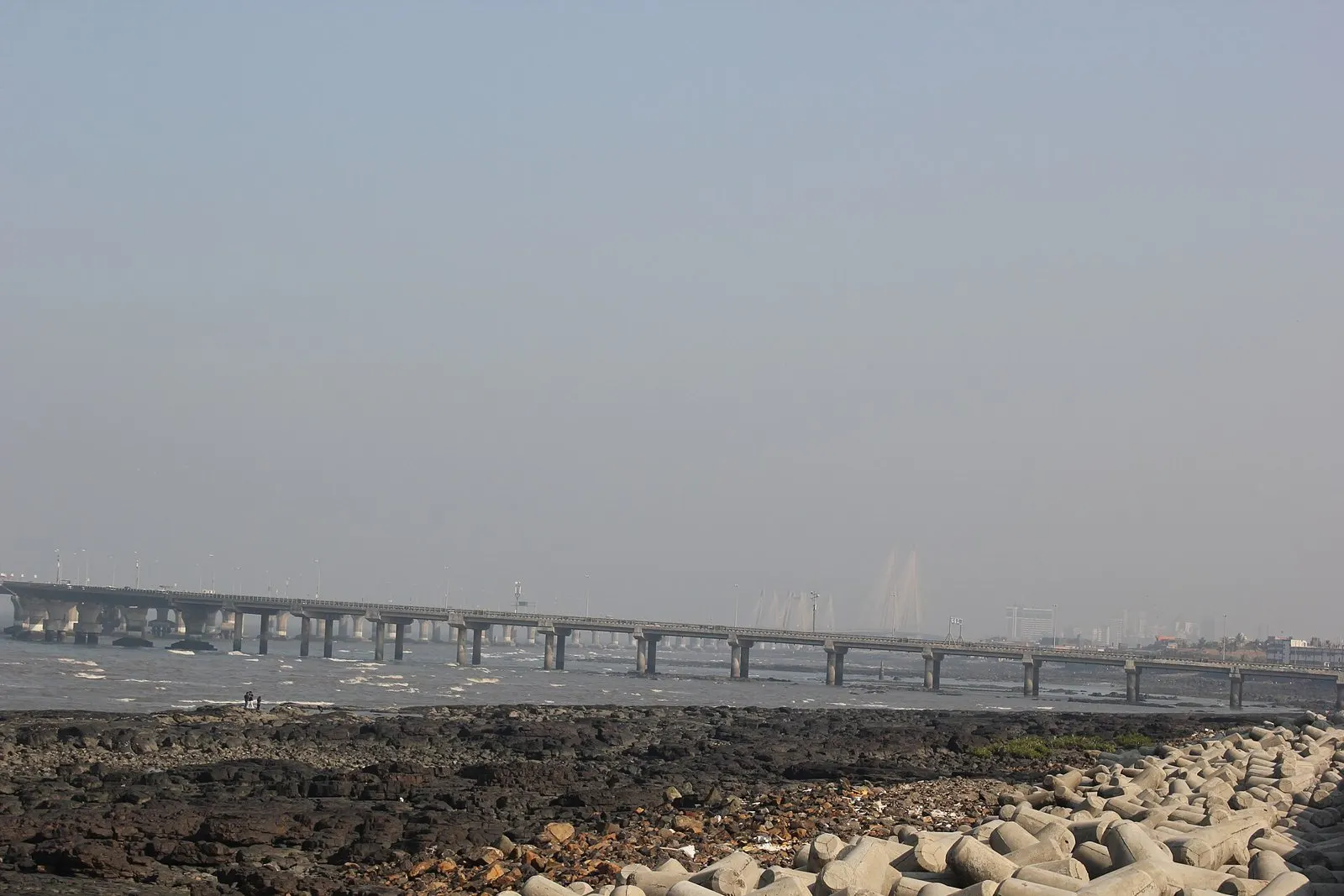
A seawall to walk along.
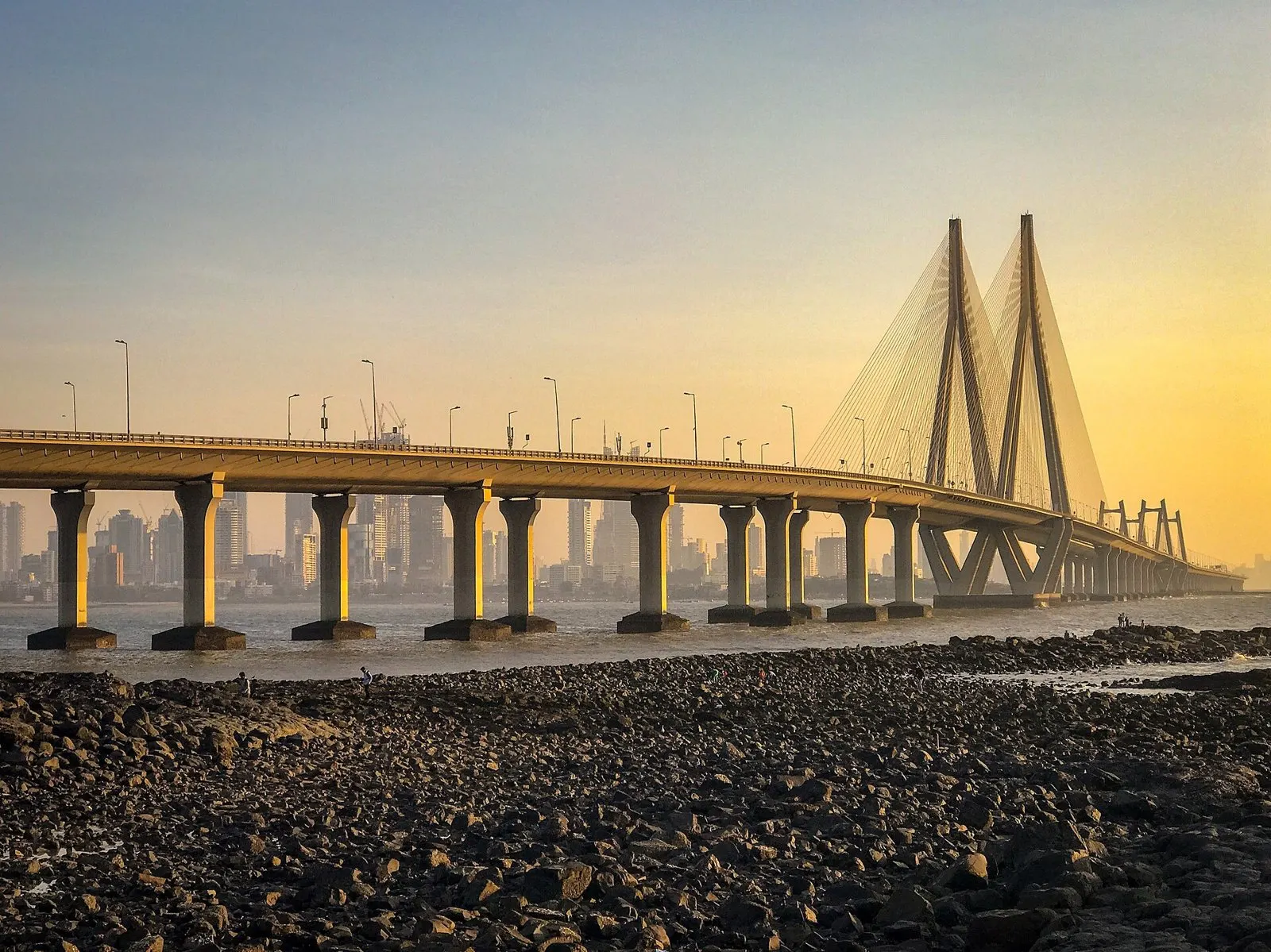
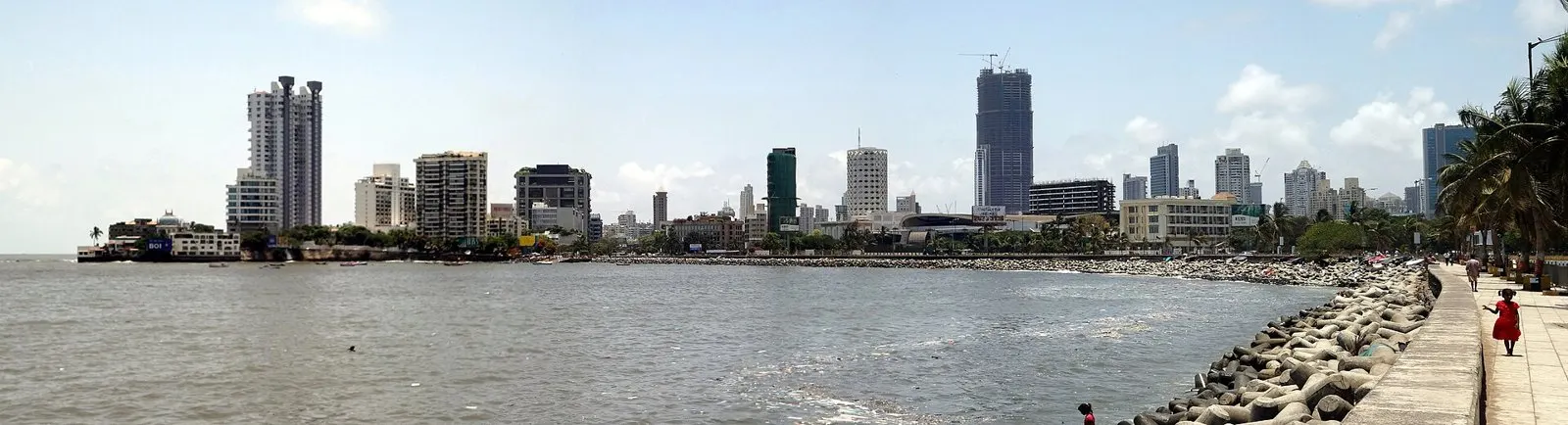
Worli Sea Face is where the city comes to breathe. Walk the seawall at an easy pace with the Sea Link stretched across the bay, then follow the shore to the tip, where a small British-era fort once watched for ships. Worli was a Koli fishing village long before the towers arrived, and the village is still here, so keep your visit to the fort and the view.
Behind the seawall.
History · An island once
Worli began as one of the seven islands that became Bombay.
Read moreRead less
Worli was originally a separate island, one of the Seven Islands of Bombay ceded by the Portuguese to England in 1661. It was first a fishing village of the Koli community.
Continue reading at Wikipedia ↗Architecture · A lookout on the hill
A small British fort built to watch the bay.
Read moreRead less
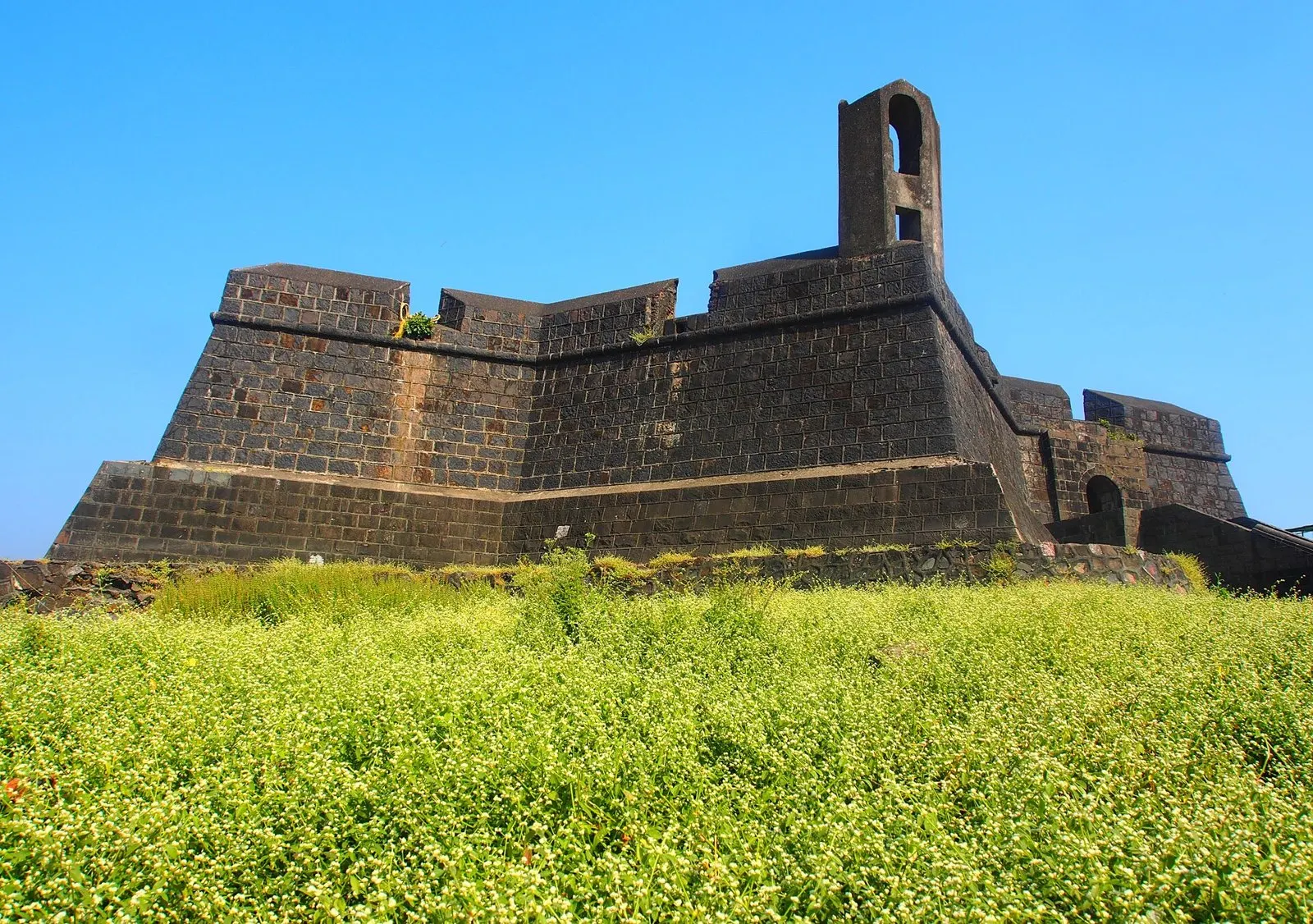
Worli Fort was built by the British around 1675 on Worli Hill and served as a lookout for enemy ships. It overlooked Mahim Bay at a time when the city still comprised seven islands.
Continue reading at Wikipedia ↗Significance · A fishing village still
Beside the fort, one of Mumbai’s oldest communities lives on.
Read moreRead less
Worli Koliwada is a centuries-old village near the fort. It is home to one of the oldest fisherfolk communities still living in Mumbai.
Continue reading at Wikipedia ↗Along the water’s edge.
The seawall has no railing in places and the spray can be strong at high tide, especially in the monsoon: keep back from the edge. Cross the road only at signals. Worli Koliwada is a home, not a sight, so walk through quietly, ask before any photograph and never frame residents at work.
A pause nearby
Haji Ali Dargah is a short drive south along the shore, a white shrine on the sea reached by a causeway at low tide. For a simpler pause, find a bench on the promenade and wait for the lights to come on along the Sea Link.
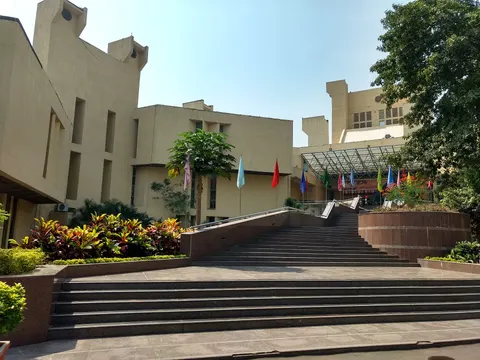 Worli · Science & play
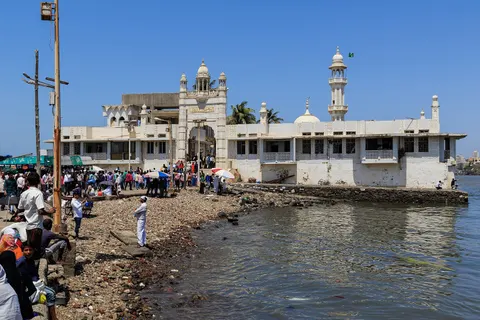 Mahalaxmi · Shrine & tide
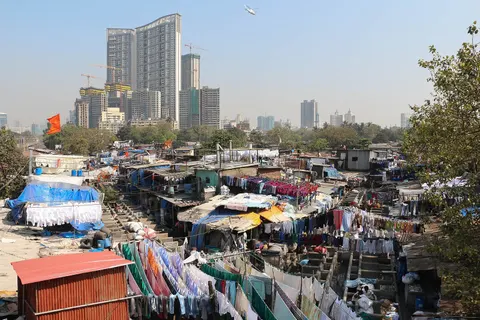 Mahalaxmi · Working city