

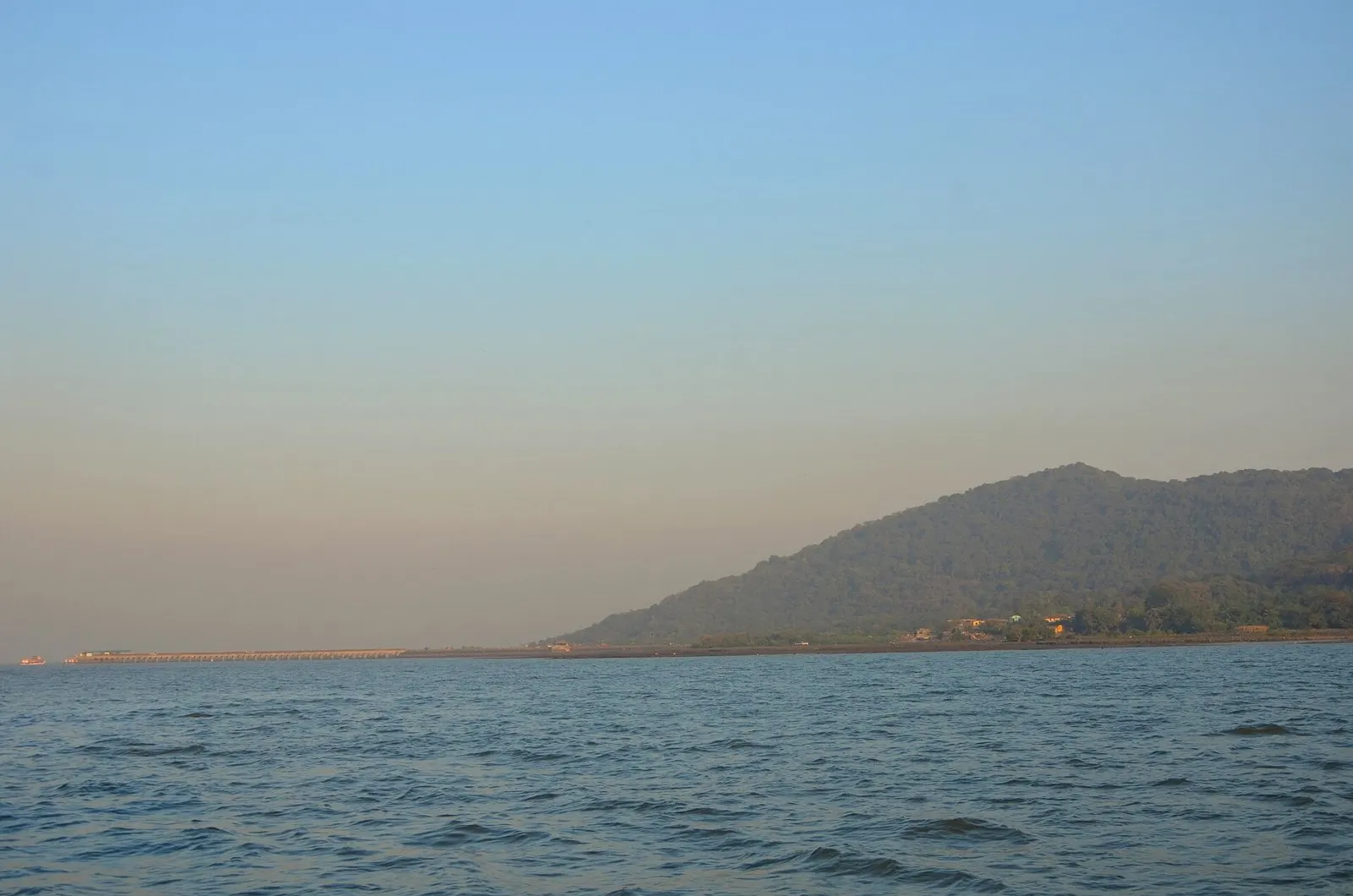
Across the water, into the rock.
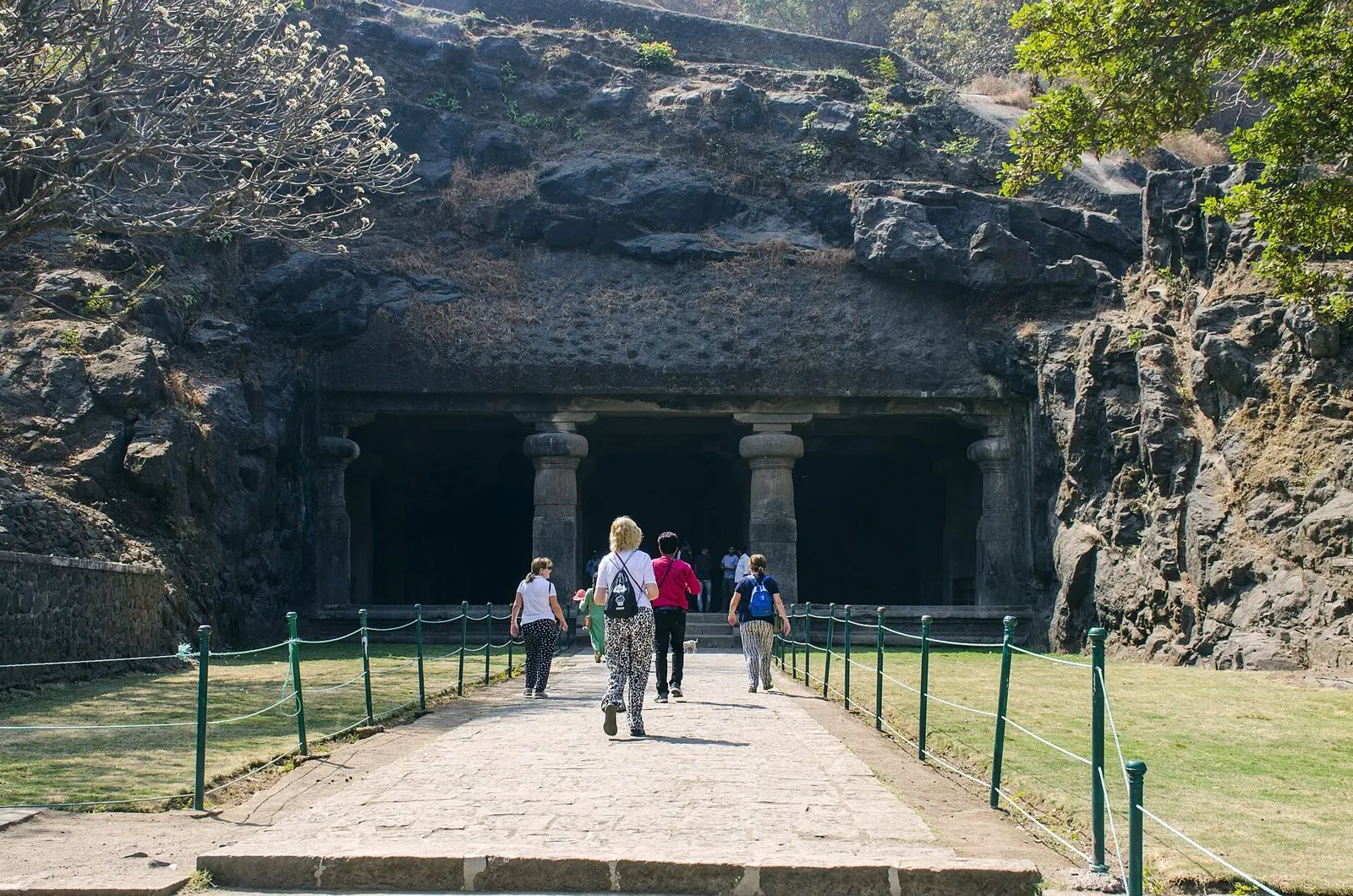
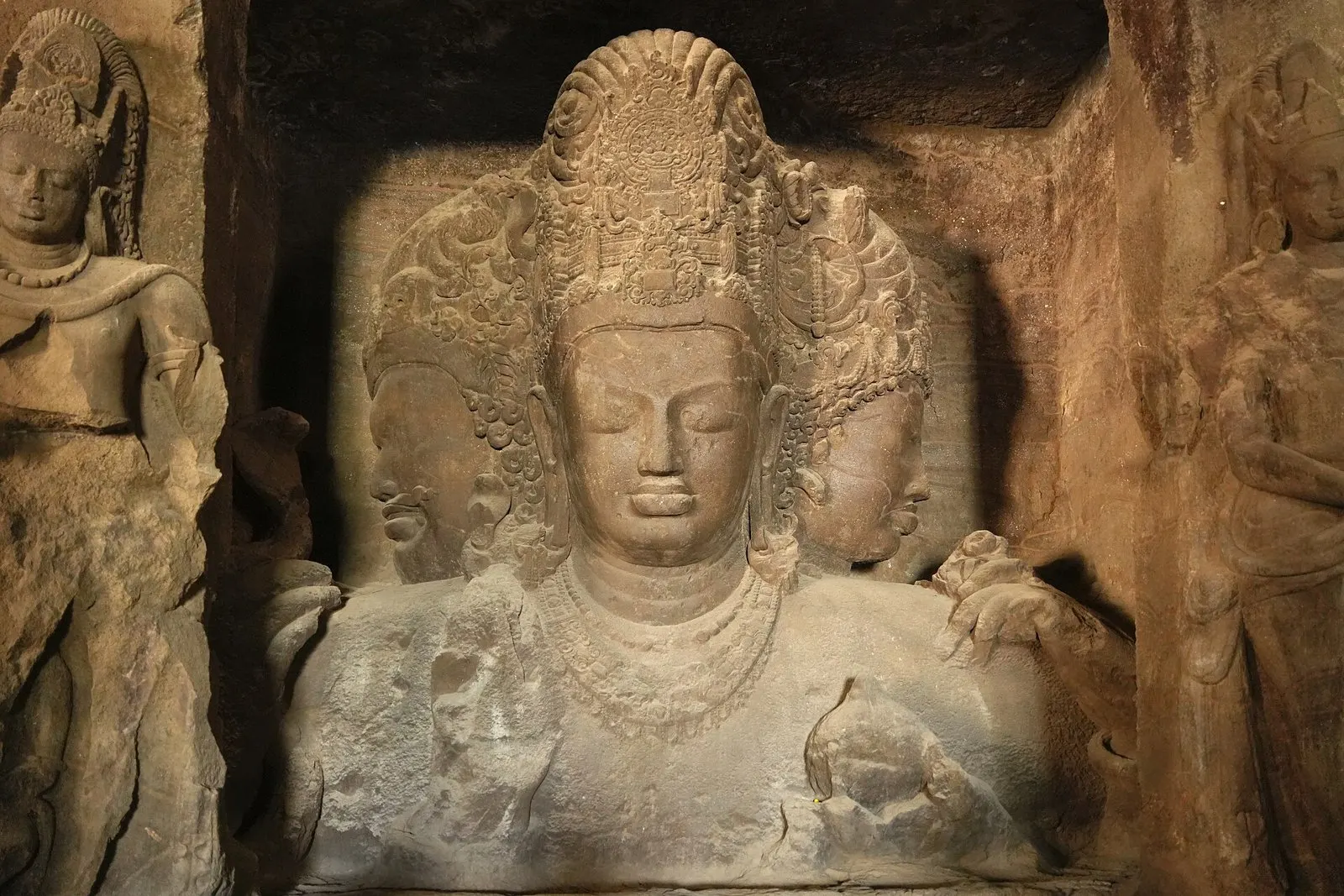
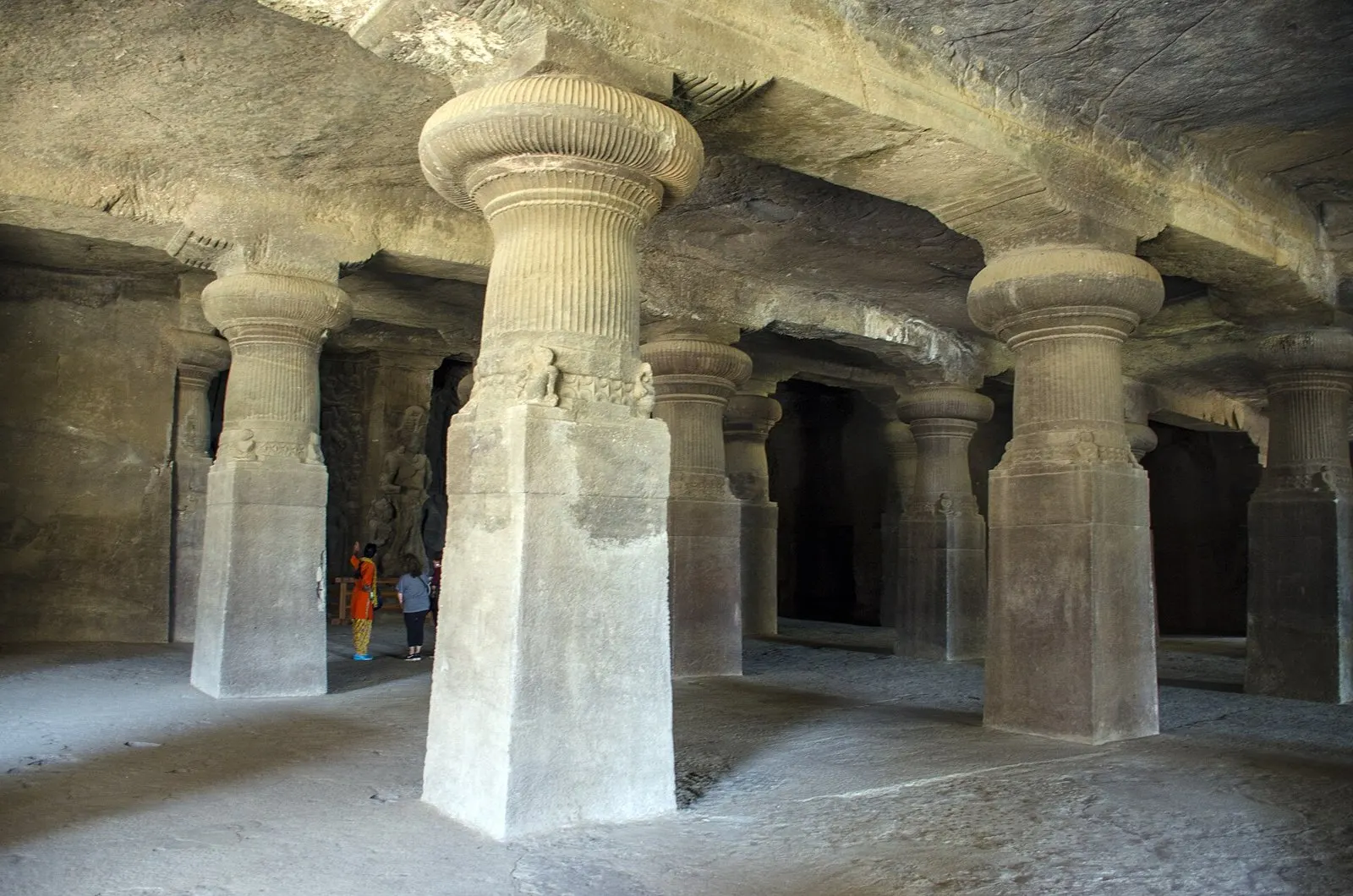
Elephanta asks for most of a day, and gives back something no other outing here can. The crossing from the Gateway is part of it: the city slides away and the island rises green out of the harbour. At the top, the caves open into cool, dim halls carved straight out of the hillside. Give your eyes a minute to adjust, then stand quietly before the great three-headed Shiva.
Behind the three faces.
History · The city of the caves
An island temple complex, carved roughly fifteen centuries ago.
Read moreRead less
The caves stand on Elephanta Island, known locally as Gharapuri, literally ‘the city of the caves’, about 10 kilometres east of Mumbai. They are most commonly dated to between the 5th and 7th centuries, and were designated a UNESCO World Heritage Site in 1987.
Continue reading at Wikipedia ↗Significance · Shiva in many forms
The temples are dedicated above all to Shiva.
Read moreRead less
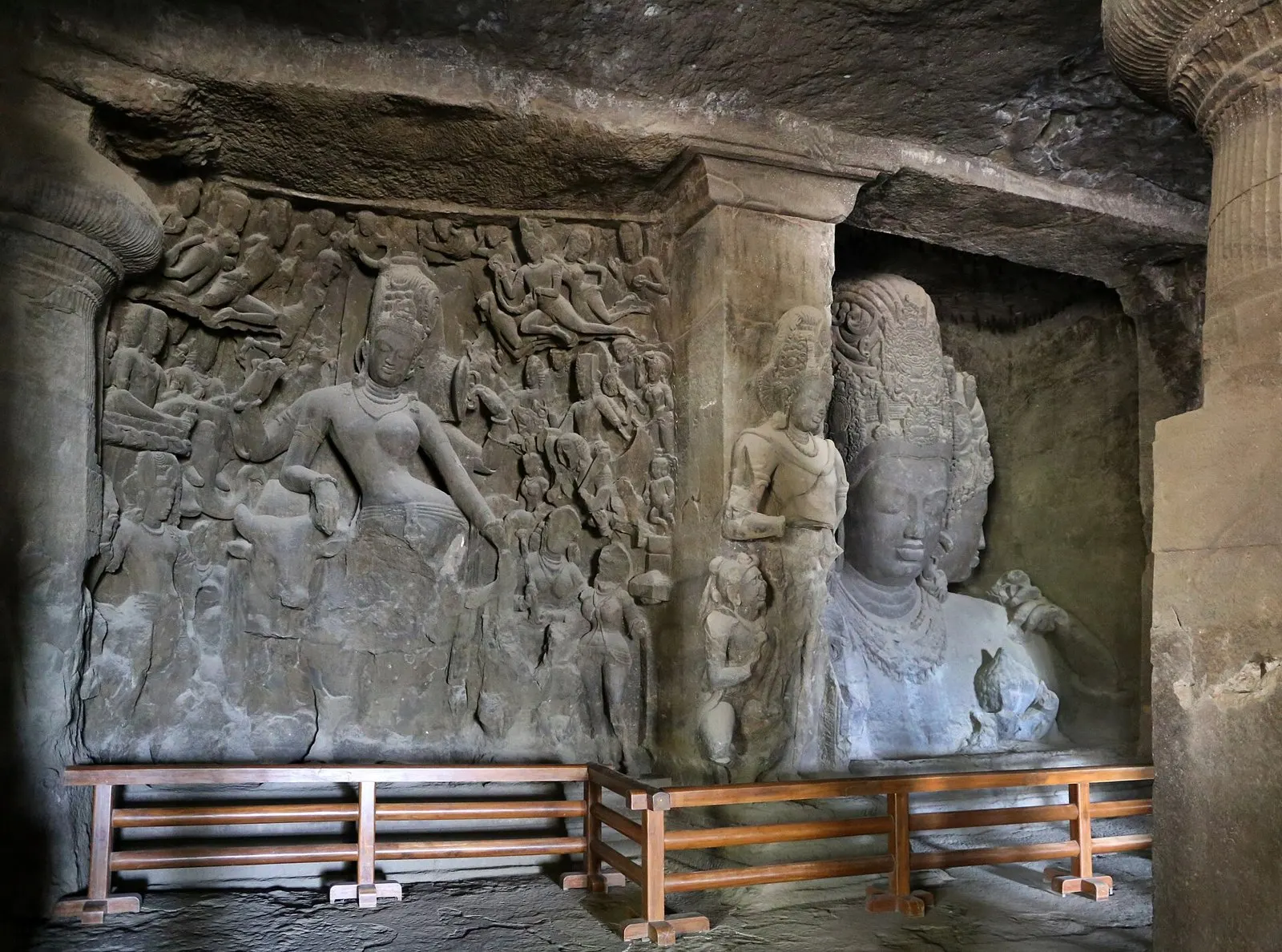
The complex is primarily dedicated to Shiva, and its carved panels show him as Nataraja the dancer, as Ardhanarishvara, half Shiva and half Parvati, and as the three-faced Trimurti. A central shrine holds a Shiva lingam.
Continue reading at Incredible India ↗Architecture · Hewn from basalt
Nothing here was built; everything was cut away.
Read moreRead less
The caves are hewn from solid basalt rock, and the Trimurti sculpture rises 7 metres high. The Portuguese named the island after a huge rock-cut stone elephant they found there.
Continue reading at Wikipedia ↗Boats, steps and weather.
Ferries depend on the weather and the sea, and services can be reduced or suspended in the monsoon, so check current operations and the last boat back before you go. The path to the caves climbs a long flight of steep steps in the open, so carry water, wear shoes with grip and take it slowly in the heat. Follow the customs posted at the entrance, as parts of the site remain places of worship.
A pause nearby
The ferries leave from beside the Gateway of India, so the harbour front is your natural pause on either side of the crossing. If there is time before the drive back, a cold drink in Colaba, a few minutes behind the waterfront, is enough.
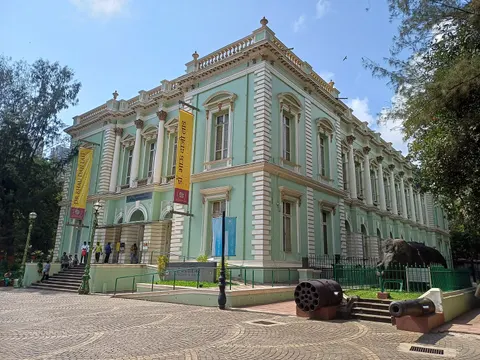 Byculla · Museum & garden
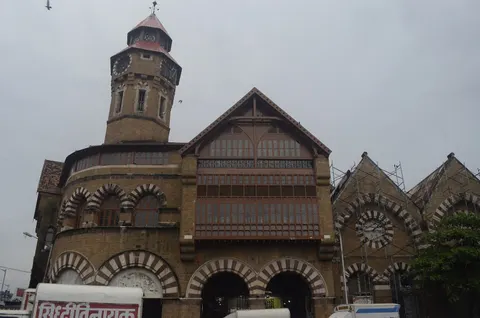 Fort · Victorian market hall
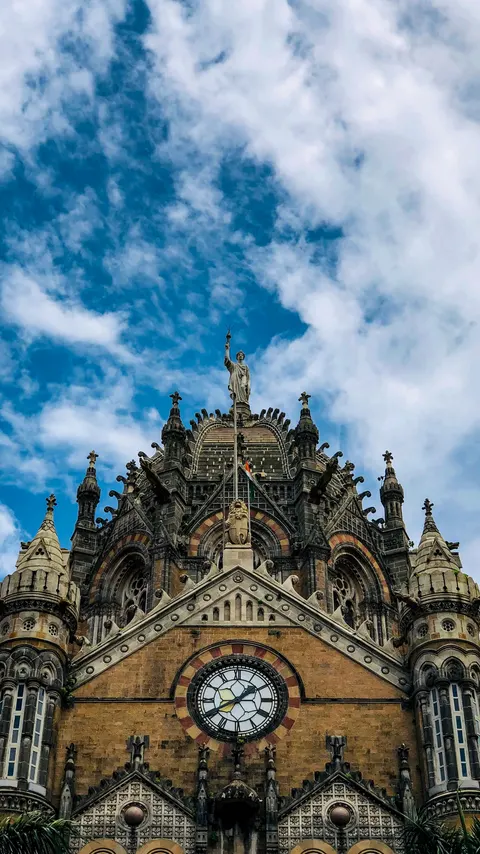 Fort · Railway heritage